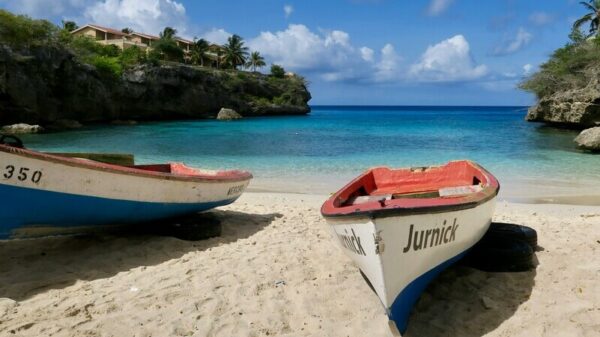

Pigs on the beach are often associated with the Bahamas. However, you can also find these adorable pigs on a beach in Curaçao, where they are popular among both locals and tourists. You can find the Curaçao Pig Beach on the west side of the Caribbean Island – at Playa Porto Mari.
This page contains affiliate links marked with an asterisk (*). If you decide to make a purchase after clicking on a link, we may receive a commission at no extra cost to you.
Meet the Six Pigs at the Curaçao Pig Beach
Initially, only two wild boars lived at Porto Mari beach – the pigs Willy and Woody. These cute animals have always roamed freely on the beach and enjoy spending their time napping near the water. During busy times, they also retreat and enjoy the peace in the shade at the edge of the beach.

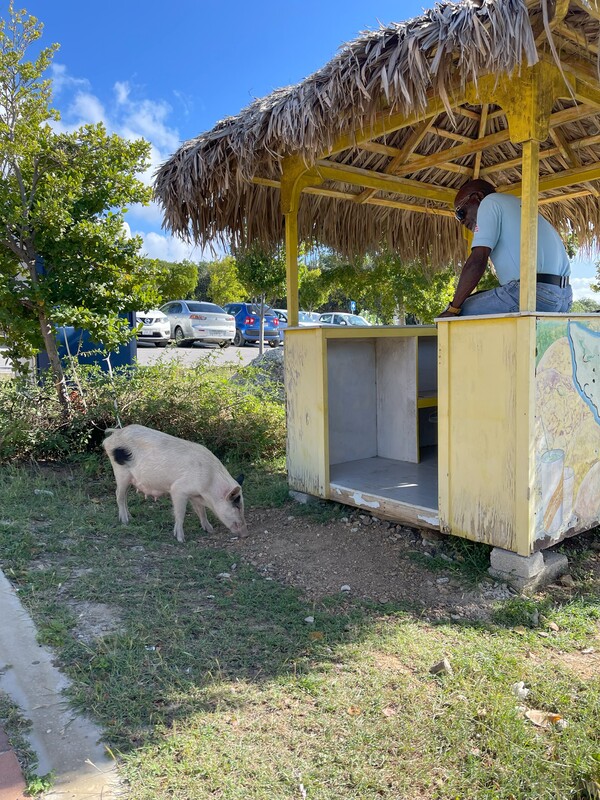
After Willy and Woody, four more pigs now call this dream beach their home. The little ones, named Wim, Meur, Max, and Lia, charm beachgoers with their outgoing nature and explore the surroundings of the Curaçao Pig Beach.

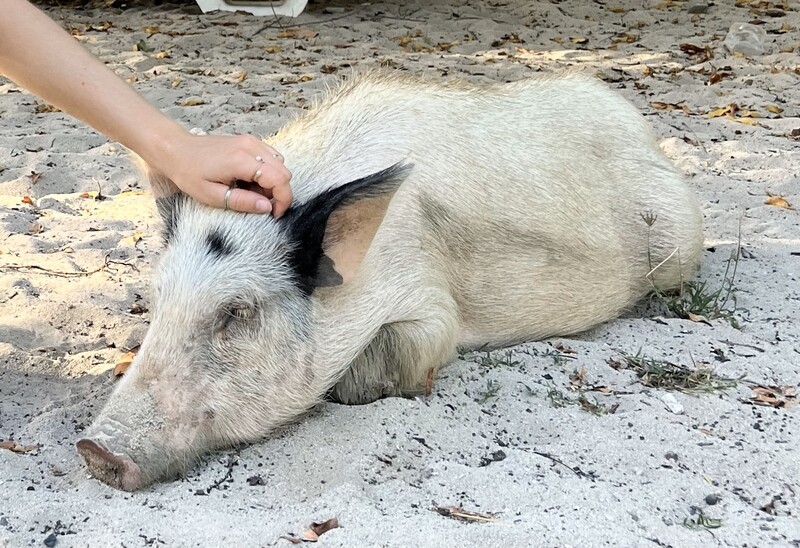
With some luck, you might also be able to take a photo with the adorable beach pigs. This would definitely make for a unique vacation memory to add to your photo album.
By the way, the cute Curaçao pigs can be found not only at Playa Porto Mari but also at Grote Knip, where the animal friends reside. You can even get quite close to them and try to pamper them with a few strokes.
Find your perfect connection to the Caribbean!

Playa Porto Mari – Pigs, Turquoise Water, Beach Bar & More
To access Playa Porto Mari, you need to pay an admission fee of around $3.00. As it is a privately managed beach, the proceeds are used for maintenance. Moreover, the owners ensure that the beach is kept clean and care for the resident pigs.
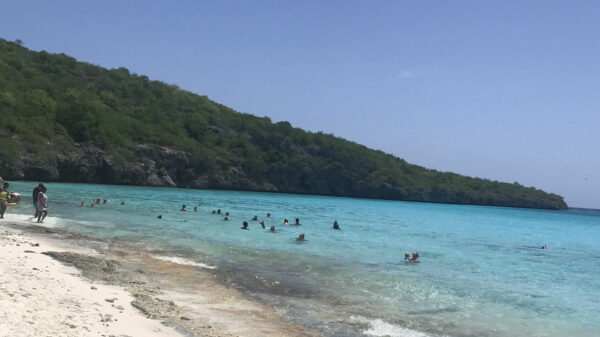
Playa Porto Mari – the Curaçao Pig Beach – is open daily from 09:30 AM to 6:30 PM and features a cozy beach bar. Additionally, the beach boasts appealing amenities, including showers, toilets, and changing cabins.
The beach is also excellent for snorkeling and diving. If you do not have your own equipment, you can rent it right at the dive school on the beach. From the beach, you can dive to the so-called “Double Reef,” which starts about 19,69 feet below the water surface. You can discover numerous corals as well as stingrays, turtles, moray eels, and many other fish species.
If you’re looking for information about other beaches in Curaçao, we invite you to check out our beach guide. There you will find details about both busy, touristy beaches and secluded bays. Unlike Playa Porto Mari, most beaches on the Caribbean island do not require an entrance fee.
Essentials for Your Beach Bag:
To enjoy several days at one of the beautiful beaches on your trip, you will find a list of our tips for your beach bag below.

➤ Skin-friendly, non-greasy sunscreen by Banana Boat*
The Caribbean sun is deceitful – it’s best to choose a sunscreen with an SPF of 50+.

➤ Compact microfiber towel (by Whale Floatilla)*
It not only dries super fast but also folds up tiny to take up as little space as possible in your suitcase.
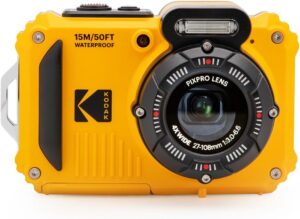
➤ Durable underwater camera (by ODDV)* for memorable vacation photos
With a bit of luck and photographic skill, you’ll soon have great photos of turtles and clownfish.

➤ Sand toys (by HaiLeTao)* for your kids
To keep boredom at bay during long beach days.

➤ Frisbee (by WHAM-O)* for sports enthusiasts
If you’re one who doesn’t want to just lie on the beach all day, a space-saving frisbee might be just the thing for you!
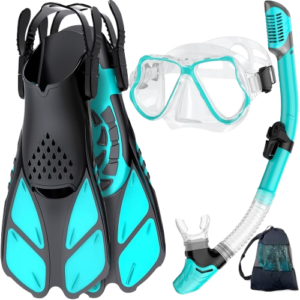
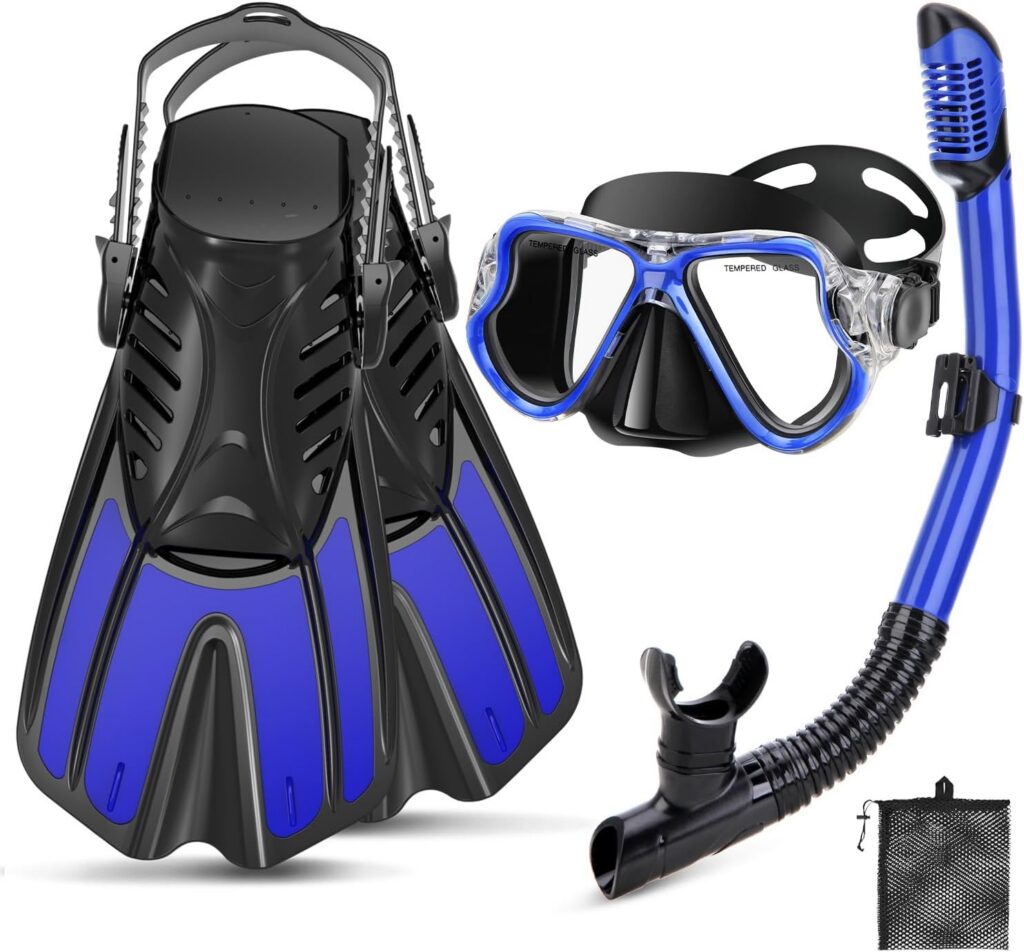
➤ Snorkel Set (by Zenoplige)*
So you can calmly observe the colorful fish and cute sea turtles.
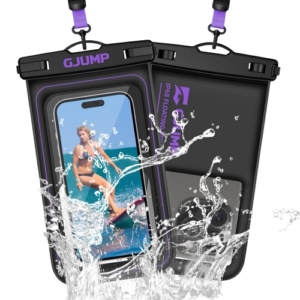
➤ A waterproof phone case (by GJUM)*,
to protect your smartphone from moisture: especially cool for boat tours or jet-ski excursions!

➤ An insulated beach cooler bag (by TEUEN)*,
to keep food & drinks refreshingly cool even on hot days: perfect for long beach days or picnics by the sea without worrying about warm beverages!
Frequently Asked Questions About Animals in Curaçao & Must-See Spots
Curaçao is not only famous for its stunning beaches but also for its impressive wildlife and diverse excursion options. Many visitors have questions about animal encounters, the best beaches, and exciting activities on the island. Here, you’ll find answers to the most frequently asked questions to help you plan your trip and fully enjoy Curaçao’s fascinating nature.
No, you should not feed the pigs on the beach. They rely on natural food sources and occasionally receive food from the beach operators. Human food could be harmful to their health. If you want to do something good for the pigs, simply follow the beach staff’s guidelines and enjoy the experience of seeing them.
In addition to Playa Porto Mari and Grote Knip, Playa Grandi is highly recommended, where you’ll almost certainly see sea turtles. Cas Abao Beach, with its crystal-clear waters, is another must-visit. A day trip to the uninhabited island of Klein Curaçao, with its powdery white sand beaches, is also an unforgettable experience.
A hike in Christoffel National Park is a fantastic way to explore the island’s nature. Visiting the Hato Caves with their fascinating stalactite formations or taking a tour to Shete Boka National Park with its spectacular cliffs is also worthwhile. Willemstad, with its colorful houses and floating market, is another must-see.
Never touch or disturb wild animals. Use eco-friendly sunscreen to protect the ecosystem, and follow the rules of nature reserves to avoid endangering wildlife.
Yes, you can join special snorkeling and diving tours to explore the marine world. Guided hikes in the national park or flamingo-watching tours are also available.
Yes, Playa Grandi offers a high chance of encountering sea turtles while snorkeling. With a bit of luck, you may also spot turtles at Playa Lagun, Caracasbaai, and Playa Cas Abao. However, always keep a respectful distance to avoid disturbing or stressing them.
Curaçao has very few poisonous animals, and none of them are life-threatening to humans. One of the most well-known venomous species is the scorpion, but encounters are rare, and its sting is less dangerous than a bee sting. Some snake species live on the island, including the harmless Antillean rattlesnake. In the ocean, you might come across sea urchins, which have sharp spines, so it’s best to be cautious while snorkeling or diving. In general, as long as you treat nature with respect and remain cautious, there is little risk.
Curaçao offers a wide range of exciting water sports, including windsurfing, kitesurfing, stand-up paddleboarding, kayaking, and, of course, diving and snorkeling. Many dive schools and rental providers offer courses and equipment to make the most of your water sports experience.
Yes, Curaçao is home to several bat species that play a vital role in the island’s ecosystem. One of the most notable is the Curaçao long-nosed bat, which helps pollinate many plants. One of the best places to observe bats is the Hato Caves, where colonies of these fascinating creatures reside. Outside the caves, bats can often be spotted at dusk as they search for food.
Curaçao is a year-round destination with consistently warm temperatures. The dry season from January to September is especially pleasant, with little rainfall and low humidity. From October to December, there is slightly more rain, but showers are usually short. A big advantage: Curaçao lies outside the hurricane belt, making it rarely affected by tropical storms.
Yes, Curaçao has some fantastic hiking trails and nature parks. The most famous is Christoffel National Park, where you can hike to the island’s highest point, Christoffel Mountain. Shete Boka National Park impresses with its dramatic cliffs and wild waves. There are also smaller trails through saltwater lagoons and mangrove areas, where you can observe birds and other wildlife.
Yes, you can spot flamingos in the wild in Curaçao. The best places to see them are the Jan Kok salt flats and the Flamingo Sanctuary near Willibrordus, where groups of these elegant birds often forage in the shallow waters. Another great flamingo-spotting area is near Sint Michiel. The best chances to see them are in the early morning or late afternoon. Please keep a respectful distance to avoid disturbing them.
Yes, Curaçao is a paradise for divers and snorkelers. The island has many coral reefs that are easily accessible from the shore. Some of the best spots include the Tugboat Wreck, Mushroom Forest, and the double reef at Playa Porto Mari. The underwater world is teeming with colorful fish, sea turtles, and even occasional stingrays.
Curaçao is home to a variety of fascinating bird species that have adapted to the island’s warm climate and dry vegetation. Flamingos are particularly well-known and can be seen in the Jan Kok salt flats and the Willibrordus Flamingo Sanctuary. Other tropical species include the brightly colored troupial, recognizable by its vibrant orange and black feathers. Various heron species, such as the blue heron and cattle egret, are often found in wetlands or along the coast. Hummingbirds, with their rapid wingbeats, are another highlight, frequently seen in gardens and parks. Additionally, Curaçao is home to parrots, falcons, and many songbird species, adding to the island’s unique nature experience.
Yes, Curaçao is home to owl species like the Curaçao barn owl. These nocturnal birds are rarely seen but can sometimes be spotted in wooded areas or quieter parts of the island. Their calls are often heard at night.
Yes, iguanas are widespread in Curaçao and often seen in the wild. They love basking in the sun on warm rocks and shrubs. You’re likely to encounter them in national parks and less crowded beaches.
Besides iguanas, Curaçao is home to various gecko species, such as the blue-footed gecko. You may also come across the anole lizard, which is commonly found on rocky surfaces, building walls, and dense bushes.
Yes, Curaçao hosts numerous festivals and events throughout the year. The most famous is the Curaçao Carnival, held every February or March. Other popular events include the Curaçao North Sea Jazz Festival and the Curaçao International Film Festival. Additionally, local markets and music festivals regularly take place, showcasing the island’s vibrant culture.
Yes, you can take a boat tour to Klein Curaçao, an uninhabited island known for its white sandy beaches and crystal-clear waters. It’s perfect for snorkeling, diving, and sunbathing. There are also snorkeling and boat tours available to explore secluded coves and remote beaches.
Willemstad, the capital of Curaçao, is famous for its well-preserved colonial architecture. The brightly colored buildings in Dutch colonial style are a UNESCO World Heritage Site. One of the most striking landmarks is Handelskade, a waterfront street known for its vibrant houses.